


Social media accounts, photos, personal documents, and even work-related data. With such sensitive information consolidated in one device, security is no longer optional it’s essential. While devices offer built-in protections like PINs, passwords, apktek fingerprint sensors, and Face ID, these measures safeguard the device as a whole. But what about individual apps?
App lockers provide an additional layer of security for anyone who values privacy, from parents managing children’s phone use to professionals safeguarding sensitive data. In this guide, we’ll explore what an app locker is, why it’s important, its benefits, key features, limitations, and future potential.
What is the Lock App for PC?
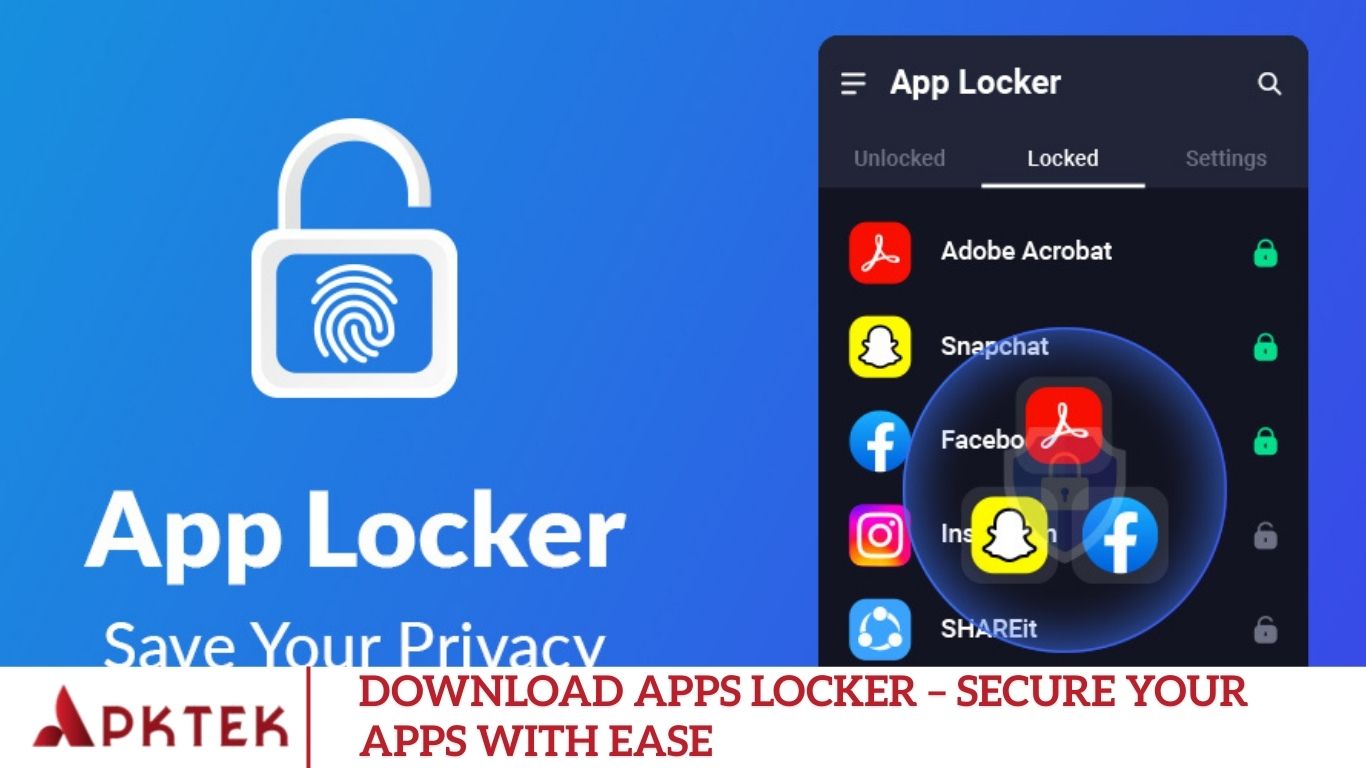
An app locker is a security tool that allows users to lock specific apps or folders on their smartphone. Instead of securing the entire device with a single lock, it provides app-level protection. You can safeguard messaging apps, social media accounts, banking apps, email, or any other app using a password, PIN, pattern, or biometric authentication.
App lockers are widely used on Android devices and are increasingly available on iOS through Screen Time or automation tools. They act as a second shield, preventing unauthorized access even if someone has your phone.
Read Also: Download CapCut Pro 2025
Is AppLocker Free
Yes, AppLocker is available as a free app for both Android and iOS users, offering essential features such as locking apps with a PIN, pattern, or fingerprint. While the basic version provides core app-locking functionalities, some advanced features—like intruder selfies, cloud backup, or custom themes—may require a premium upgrade. This free version is sufficient for most users who want to enhance privacy, secure social media, messaging, and financial apps without any cost, making AppLocker an accessible choice for anyone looking to protect sensitive data on their smartphone.
Why You Need an App Locker
Maintain Privacy
Handing your phone to someone—even briefly—can expose your private apps. An app locker ensures sensitive apps remain inaccessible without your permission.
Secure Social Media and Messaging
Messaging apps and social networks store personal and professional conversations. Locking them preserves confidentiality.
Protect Financial Information
Banking apps, wallets, and payment platforms contain critical data. App lockers reduce the risk of unauthorized transactions.
Parental Control
Parents can restrict access to certain apps, in-app purchases, or social media, keeping children safe from inappropriate content.
Work-Related Security
Professionals storing emails, client info, and business documents on mobile devices benefit from app lockers, especially in BYOD (Bring Your Own Device) environments.
Prevent Accidental Access
Children or careless handling could result in accidental modification or deletion of important files. App lockers prevent such mishaps.
Features of Modern App Lockers
Modern app lockers are designed for convenience and robust security.
Multiple Locking Methods
- PIN, pattern, password
- Fingerprint, Face ID, iris, or voice recognition
Intruder Selfie
Captures a photo of anyone attempting to unlock apps with incorrect credentials.
Hide App Locker Icon
Conceal the app locker or disguise it as a harmless tool, like a calculator.
Time and Location-Based Locks
Unlock apps automatically in trusted locations or during specific times for added convenience.
Automatic Protection for New Apps
Newly installed apps can be locked automatically to maintain security.
Fake Cover or Decoy
Displays fake error messages or decoy screens to confuse unauthorized users.
File and Folder Protection
Secure photos, videos, documents, audio files, and notes in a protected vault.
Types of App Lockers
System-Integrated App Lockers
Built-in solutions offered by device manufacturers, e.g.:
- Xiaomi MIUI App Lock
- Samsung Secure Folder
- OnePlus App Locker
- Huawei App Lock
- Third-Party App Lockers
Downloaded from app stores with advanced customization:
- AppLock by DoMobile
- Norton App Lock
- Privacy Knight
- Smart AppLock
Benefits of Using an App Locker
- Enhanced Security: Protect sensitive apps even if your phone is lost or stolen.
- Improved Privacy in Social Situations: Maintain personal boundaries when sharing devices.
- Data Protection Against Malware: Adds an extra barrier against malicious access.
- Reduced Risk of Unauthorized Transactions: Locks prevent accidental or unauthorized payments.
- Customizable Security Levels: Protect only the apps you deem critical.
Limitations of App Lockers
- Dependence on Device Lock: If the main device lock is bypassed, app lockers may be vulnerable.
- Resource Usage: Some lockers may consume battery or memory.
- Compatibility Issues: Older or heavily customized devices may face performance problems.
- Privacy Concerns: Only install trusted app lockers to avoid potential data risks.
- Not Foolproof Against Skilled Attackers: Advanced hacking or rooted devices may bypass locks.
Best Practices for Using an App Locker
- Choose a Trusted App: Look for high ratings, positive reviews, and transparent privacy policies.
- Use Biometric Authentication: Faster and more convenient than complex passwords.
- Keep Your Device Updated: Security patches ensure proper functioning.
- Enable “Prevent Uninstallation”: Stops unauthorized removal of the app locker.
- Backup Recovery Options: Secure password recovery via email or security questions.
Future of App Lockers
App lockers are evolving with technology:
- AI-Based Protection: Detects suspicious activity based on user habits.
- Advanced Biometrics: Voice recognition, behavioral patterns, gait analysis, or ECG-based authentication.
- Cloud-Based Security: Encrypted backups for locked apps and files.
- Deep System-Level Integration: More robust built-in solutions by device manufacturers.
Download App Locker Today
App lockers are essential for modern smartphone users. They protect privacy, secure financial and personal apps, safeguard sensitive files, assist parents in managing children’s devices, and offer peace of mind. While not perfect, their benefits far outweigh the limitations.
As smartphones continue to store more of our personal and professional lives, app lockers serve as a crucial second line of defense—keeping your digital world private, secure, and under your control.
How to Apply App Lock on any App
Applying an app lock is a simple process that adds an extra layer of security to your smartphone apps. Whether you want to protect messaging apps, social media, banking apps, or personal files, follow these steps:
Step 1: Choose a Trusted App Locker
Download a reliable app locker from your device’s app store. Make sure it has high ratings, positive reviews, and supports features like PIN, pattern, or biometric lock.
Step 2: Set Up the App Locker
Open the app locker and grant the necessary permissions, such as access to apps, notifications, and files.
Set your primary authentication method—PIN, pattern, password, or biometric (fingerprint or face recognition).
Step 3: Select the Apps to Lock
From the app locker’s dashboard, choose the apps you want to secure. Most app lockers allow you to select multiple apps at once.
You can also lock newly installed apps automatically to ensure continuous protection.
Step 4: Configure Additional Settings (Optional)
Enable features like intruder selfies to capture unauthorized access attempts.
Hide the app locker icon or set a fake cover/decoy screen to prevent others from knowing you have an app lock.
Set time or location-based locks so certain apps unlock automatically in trusted environments.
Step 5: Test the Lock
Open one of the locked apps to ensure the app locker is working correctly. You should be prompted to enter the authentication method before accessing the app.
Frequently Asked Questions
What is Apps Locker?
Apps Locker is a security application that allows you to lock individual apps or folders on your smartphone. It protects sensitive apps like messaging, social media, banking apps, and files with a PIN, pattern, password, or biometric authentication.
Is Apps Locker free to download?
Yes, Apps Locker is available for free on both Android and iOS. The free version provides essential app-locking features, while some advanced options like intruder selfies or cloud backup may require a premium upgrade.
How do I download and install Apps Locker?
To download Apps Locker, go to your device’s app store, search for “Apps Locker,” and install it. Open the app, grant necessary permissions, set your preferred lock method, and select the apps you want to secure.
Which apps can I lock with Apps Locker?
You can lock any app on your device, including messaging apps (WhatsApp, Messenger), social media platforms (Instagram, Facebook), banking apps, email apps, and even gallery or document apps.
Is Apps Locker secure?
Yes, Apps Locker provides a strong layer of app-level security. It protects apps even if someone bypasses your phone’s main lock. Features like intruder selfies, hidden icons, and decoy screens enhance security and privacy.
Can I use Apps Locker for parental control?
Absolutely. Parents can use Apps Locker to restrict access to specific apps, prevent in-app purchases, and control social media access, keeping children safe from inappropriate content.
Conclusion
Downloading Apps Locker is a must for anyone looking to secure sensitive apps and protect personal or financial information. It offers enhanced privacy, protects important files, assists parents in managing children’s devices, and ensures peace of mind in social or professional situations.
While no app lock is completely unbreakable, the benefits far outweigh the limitations. With proper setup, a reliable Apps Locker serves as a critical second layer of defense, keeping your digital world safe, private, and secure.
